Nutrients from Food Supporting Skin Appearance in Daily Nutrition
Informational Overview on Collagen Precursors, Vitamins and Plant Sources in Indonesian Context
Role of Dietary Nutrients in General Tissue Maintenance
The body requires various amino acids, vitamins, and minerals to maintain its structural tissues. Among the amino acids involved in skin tissue, glycine, proline, and hydroxyproline play supporting roles as building blocks in the body's own protein synthesis. These amino acids are naturally present in protein-containing foods.
Vitamin C, zinc, and copper are essential cofactors in biochemical pathways that support normal tissue maintenance. The body synthesizes these nutrients from dietary sources to maintain baseline skin health and tissue integrity. This is a natural physiological process that occurs when adequate nutrients are available from food.
Plant-based sources including vitamin A precursors and vitamin E contribute to everyday nutritional balance. Understanding how these nutrients function in general protein synthesis helps contextualise the role of everyday food choices in supporting the body's natural tissue maintenance.

Key Nutrients and Their Food Sources in Indonesia
Indonesia offers abundant tropical produce rich in essential nutrients. The following table presents approximate content levels of key micronutrients in common local fruits, vegetables, and seafood:
| Food Source | Vitamin C (mg per 100g) | Zinc (mg per 100g) | Copper (µg per 100g) | Season Availability |
|---|---|---|---|---|
| Guava (raw) | 228 | 0.2 | 90 | Year-round, peak Jan-Mar |
| Papaya (raw) | 61 | 0.1 | 45 | Year-round, peak Apr-Sep |
| Mango (raw) | 36 | 0.1 | 110 | Oct-Feb, peak Dec-Feb |
| Spinach (raw) | 28 | 0.7 | 180 | Year-round |
| Sweet Potato (boiled) | 12 | 0.3 | 150 | Year-round |
| Fresh Fish (cooked) | 1-3 | 0.5-1.2 | 150-250 | Daily availability |
Key Nutrient-Rich Ingredient Groups
Tropical Citrus & Stone Fruits
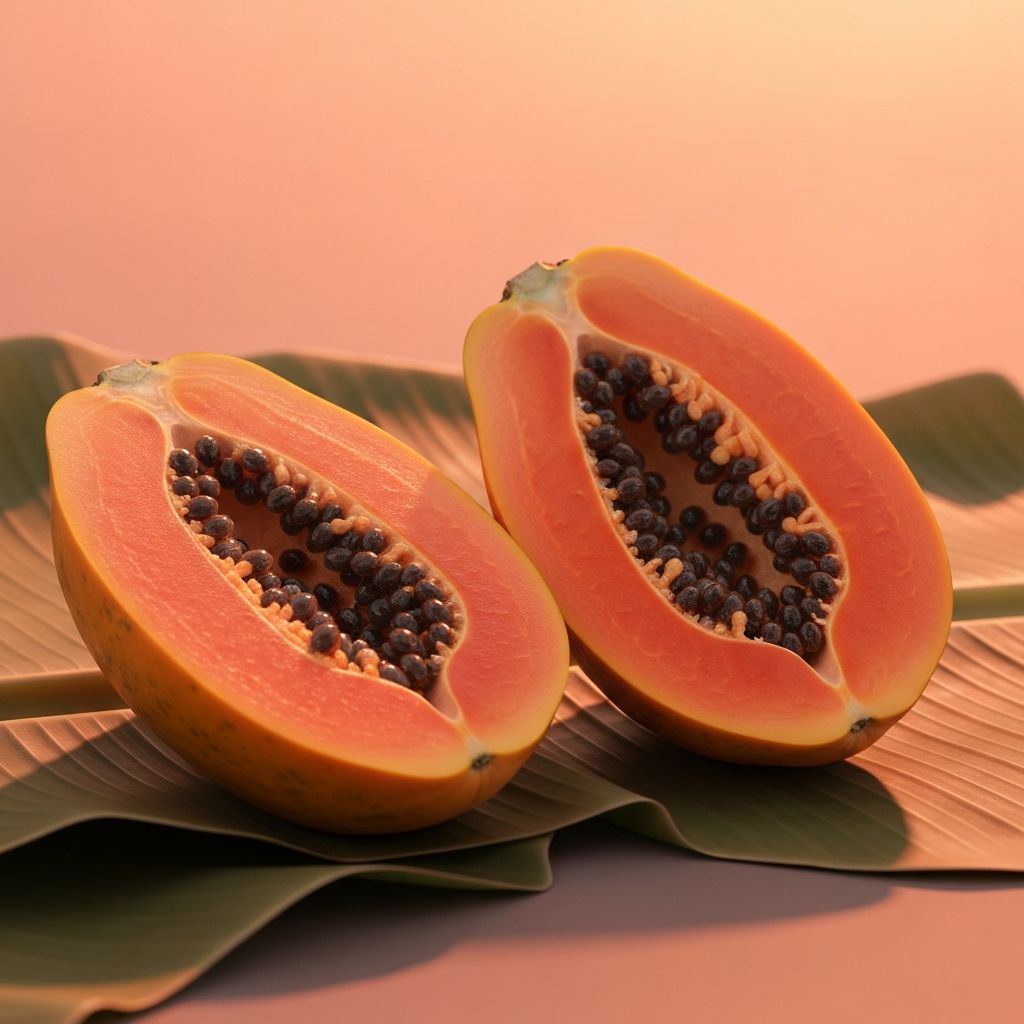
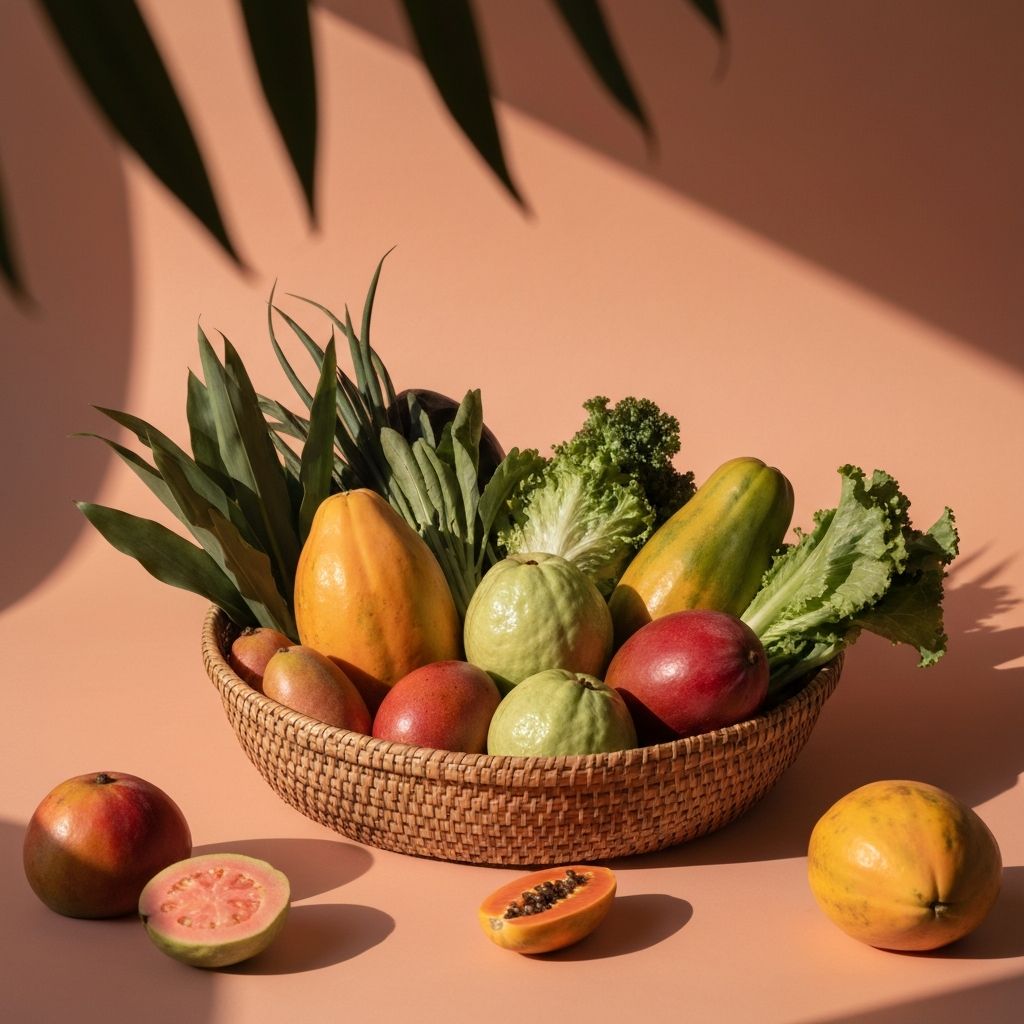
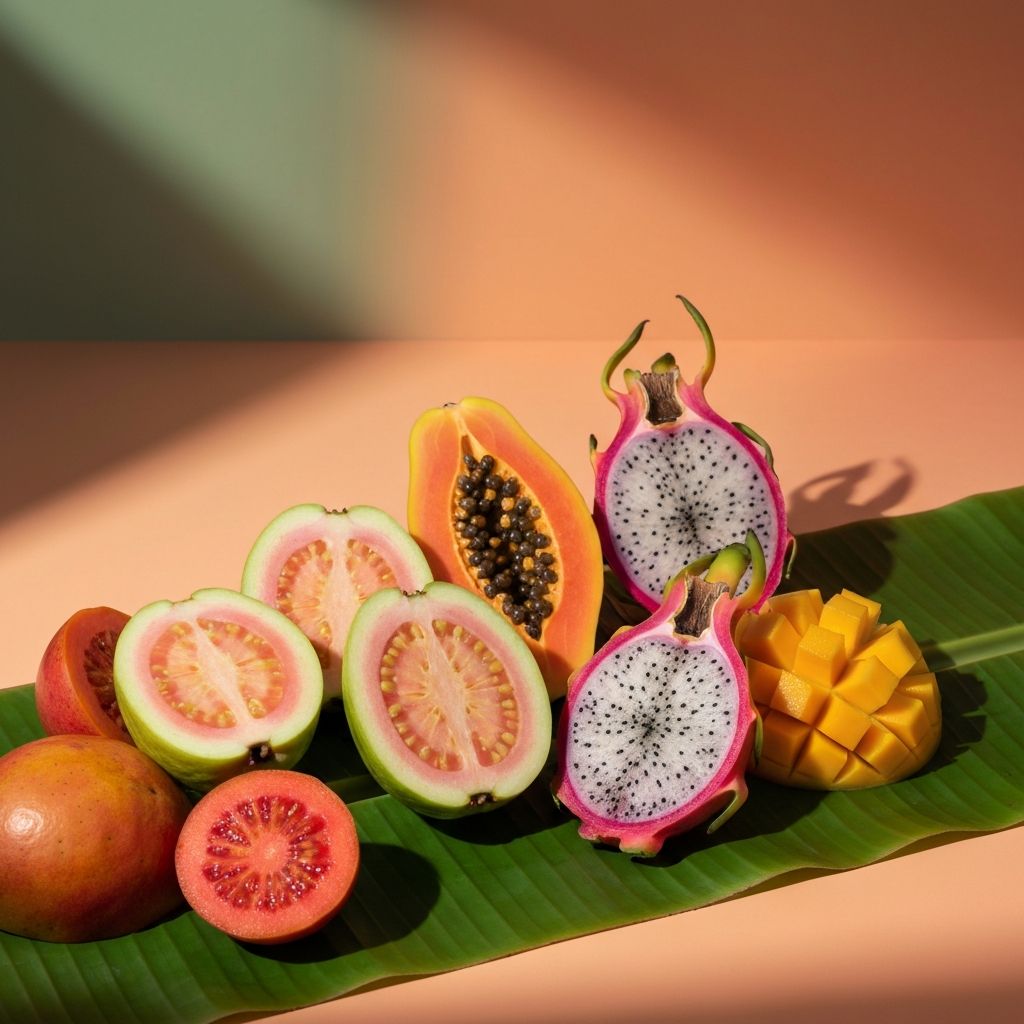
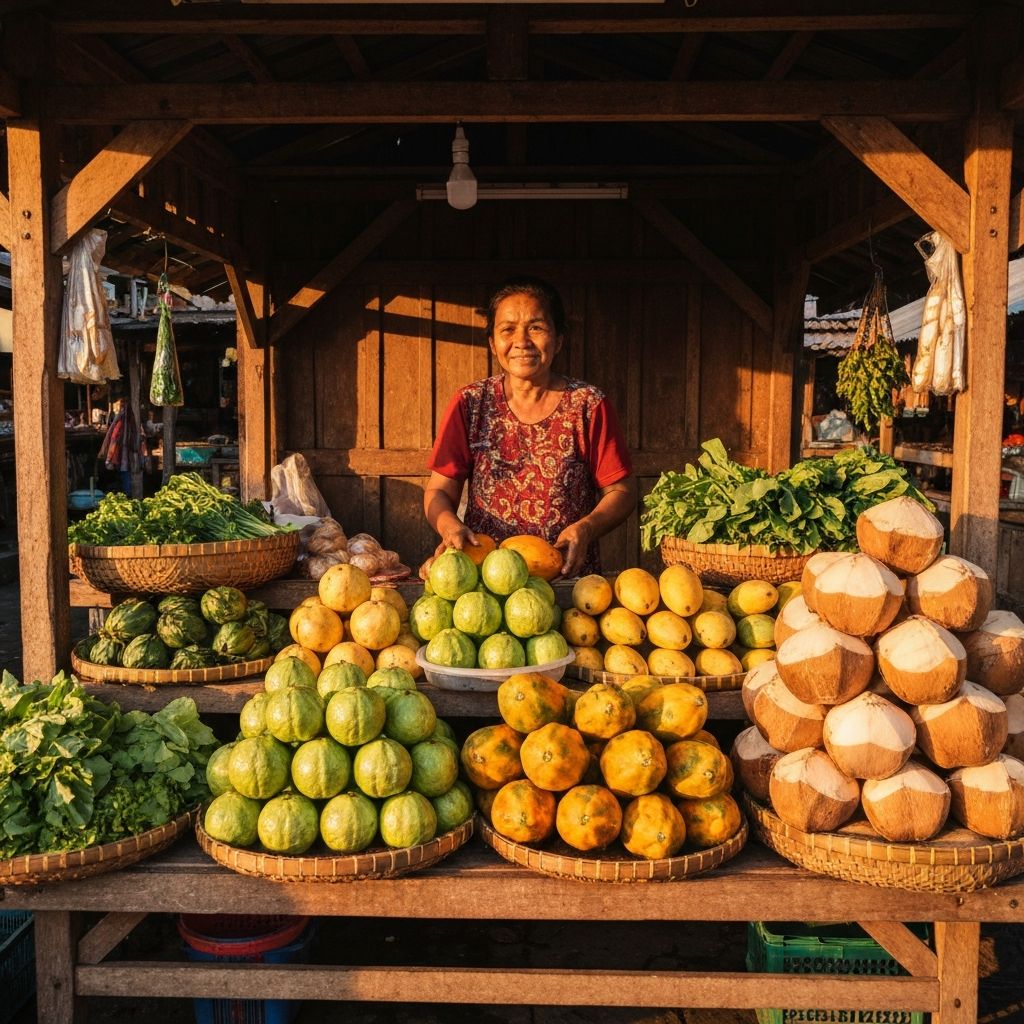
Papaya, guava, and mango represent primary vitamin C sources in Indonesian cuisine. Guava contains approximately 228 mg vitamin C per 100g, making it one of the highest among local fruits. These fruits are harvested seasonally and traditionally incorporated into fresh dishes, beverages, and desserts. Papaya is also valued for its enzymes and traditional food preparation methods.
Traditional Use: Fresh fruit consumption, juices, salads, traditional remedies.
Seasonal Availability: Year-round with seasonal peaks varying by region.
Dragon Fruit & Other Exotic Tropical Fruits
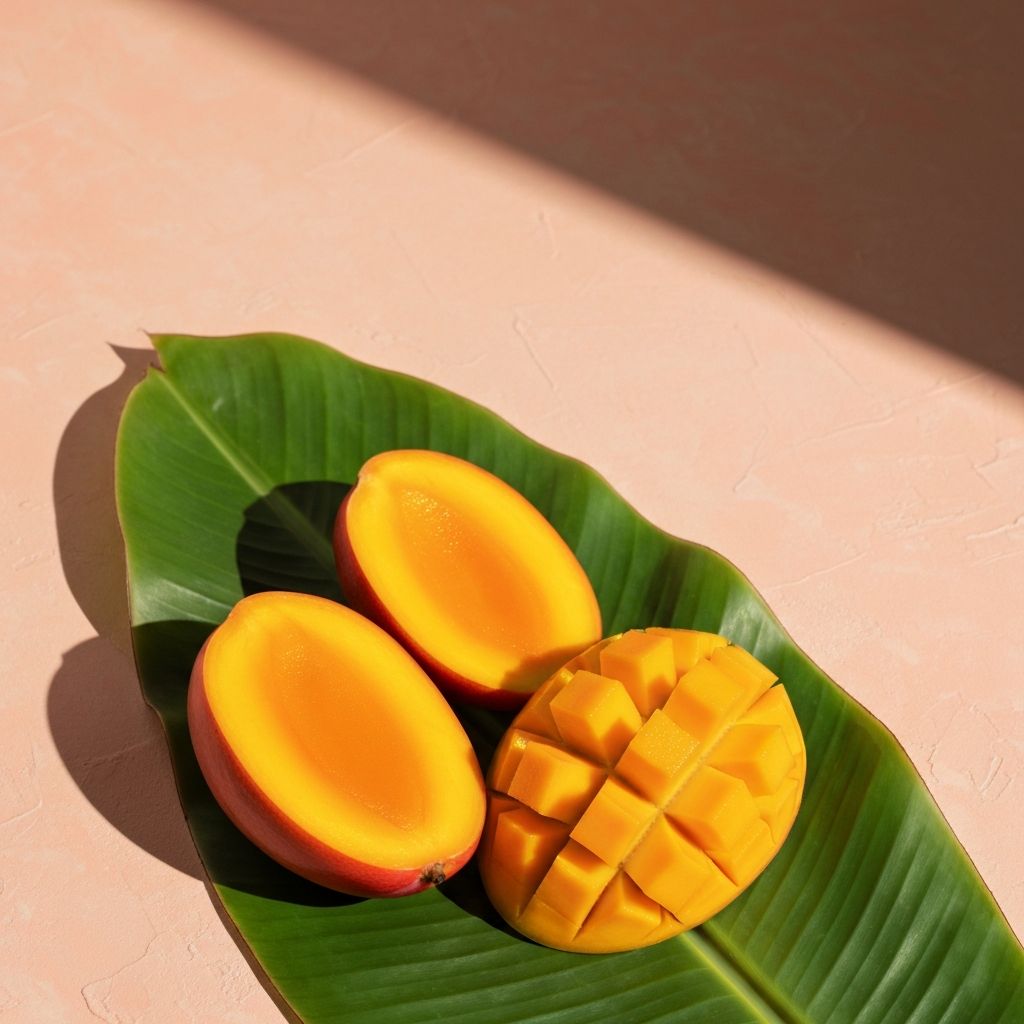
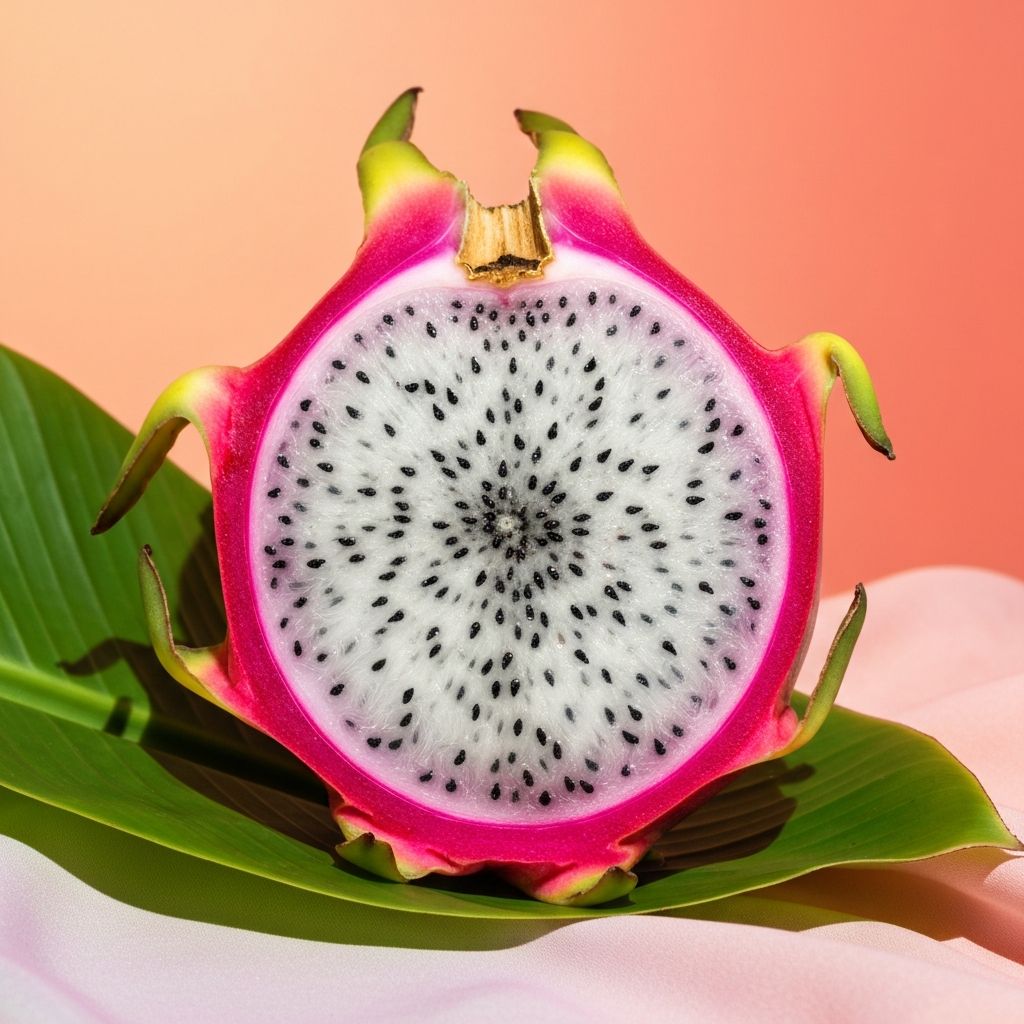
Dragon fruit, also known as pitaya, offers unique nutrient profiles including vitamin C and various phytochemicals. Mango, the "king of fruits," provides vitamin A precursors, copper, and moderate vitamin C levels. These fruits have been traditional staples in Indonesian markets and are incorporated into both everyday meals and special occasion dishes.
Traditional Use: Fresh consumption, desserts, market staples, ceremonial foods.
Seasonal Availability: Primarily Oct-Feb with extended availability in tropical regions.
Leafy Greens & Root Vegetables
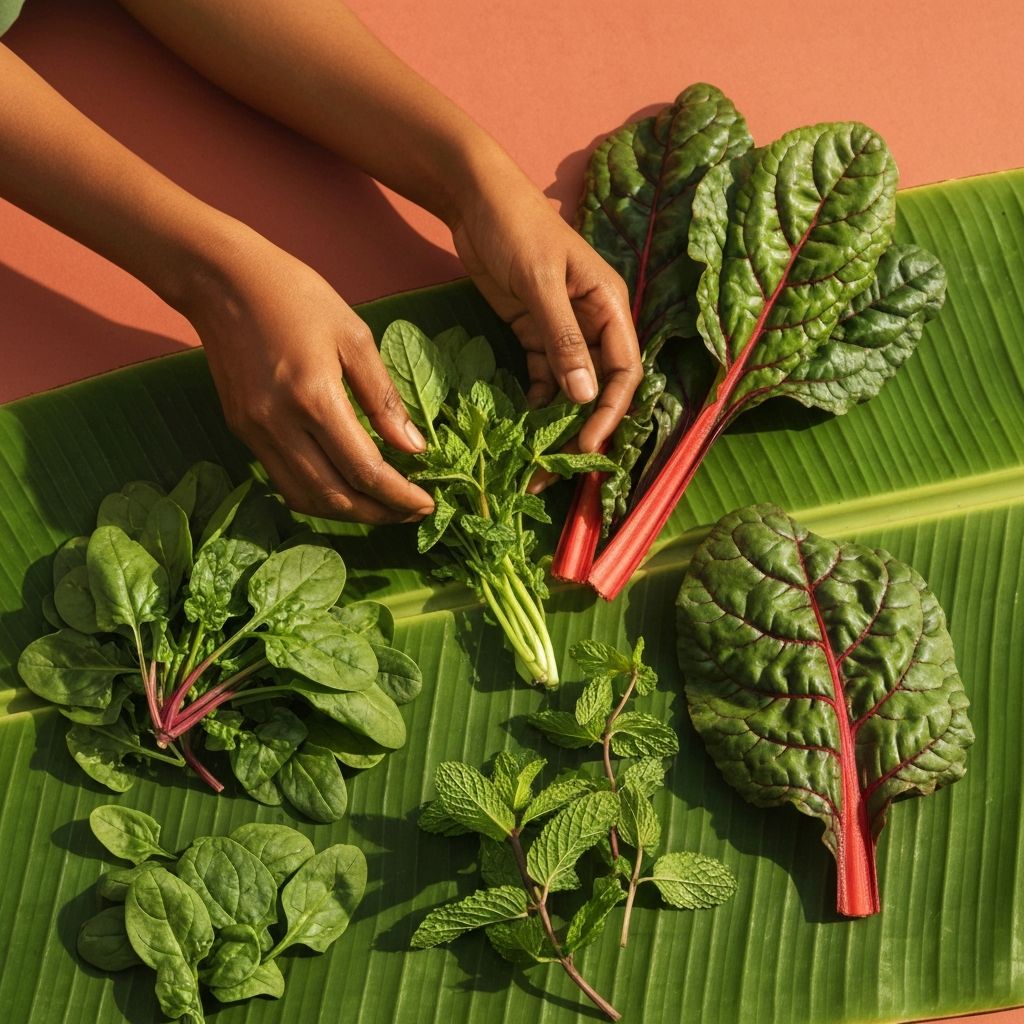
Spinach, kale, chard, and sweet potato are nutrient-dense vegetables widely cultivated across Indonesia. These provide essential minerals including zinc, copper, and iron, along with vitamin A precursors. They form the foundation of traditional Indonesian dishes such as gado-gado, sayur asem, and sundry regional preparations. Year-round availability ensures consistent dietary access.
Traditional Use: Daily cooked vegetables, salads, traditional dishes, market staples.
Seasonal Availability: Year-round cultivation in most regions.
Vitamin C Rich Tropical Fruits
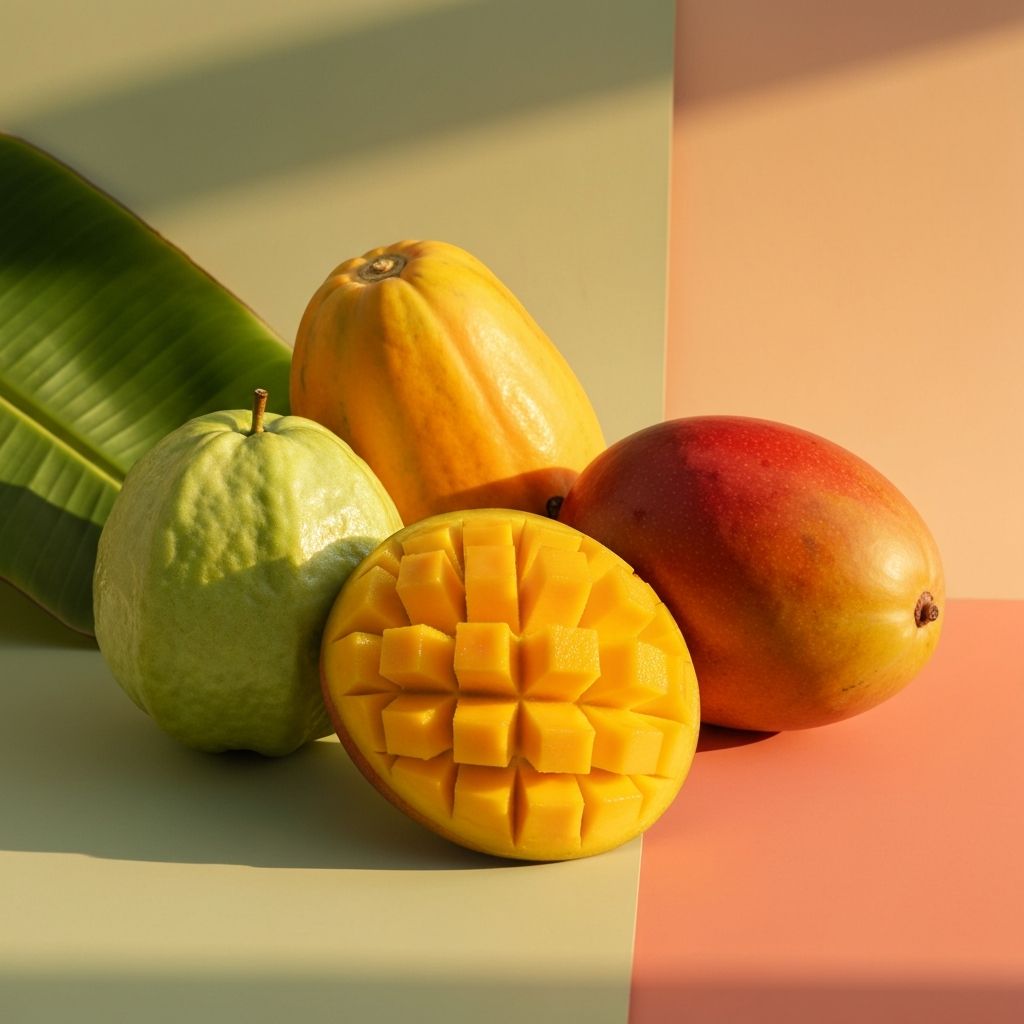
Guava: The Vitamin C Champion
Guava stands out among Indonesian fruits for its exceptionally high vitamin C content. At approximately 228 mg per 100g, a single guava fruit provides multiple times the daily reference intake of vitamin C. This vitamin serves as a cofactor in numerous enzymatic processes supporting normal tissue maintenance.
Papaya: Enzyme-Rich Tropical Staple
Papaya provides moderate vitamin C (61 mg per 100g) alongside traditional enzymes that support digestive health. Year-round availability makes papaya an accessible component of everyday Indonesian diet. Traditional preparations include fresh consumption, juices, and incorporation into savoury dishes.
Mango: Nutrient-Dense Stone Fruit
Mango offers balanced nutrients including vitamin A precursors, copper (110 µg per 100g), and moderate vitamin C (36 mg per 100g). Seasonal availability, particularly December through February, aligns with traditional harvest patterns. Mango is deeply embedded in Indonesian culinary and cultural traditions.
Everyday Indonesian Dishes with Skin-Supportive Foods
Gado-Gado: Traditional Mixed Vegetable Salad
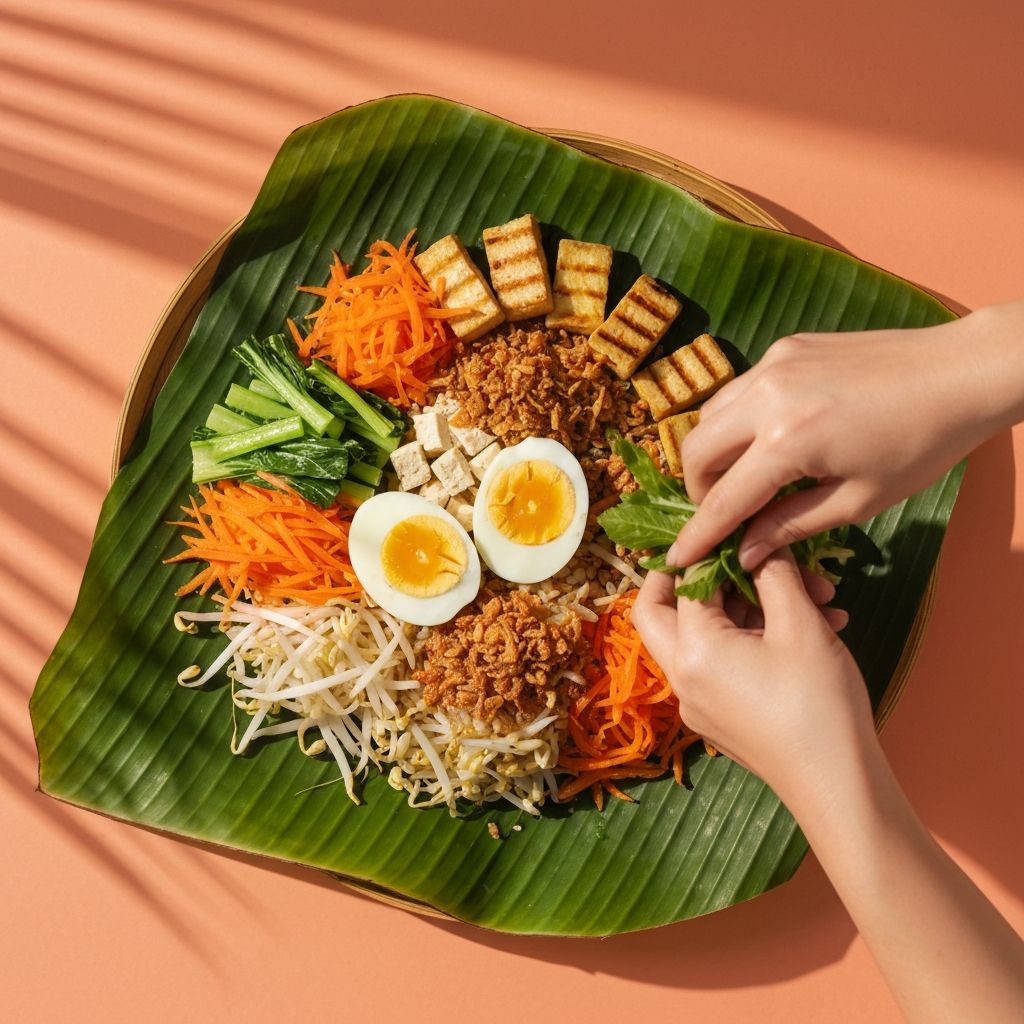
Gado-gado exemplifies traditional Indonesian nutritional wisdom. This dish combines boiled vegetables (cabbage, bean sprouts, green beans), tofu, boiled eggs, and a rich peanut sauce. Ingredients provide zinc from nuts, copper from vegetables, and various micronutrients from mixed produce. Preparation method preserves nutrient availability through light cooking and fresh vegetable use.
Sayur Asem: Sour Vegetable Soup
Sayur asem incorporates leafy greens, pumpkin, beans, and aromatic herbs in a tangy tamarind-based broth. Regional variations include different vegetable combinations based on seasonal availability and local preferences. The soup represents efficient nutrient delivery through traditional cooking methods that balance flavour and nutritional preservation.
Pepes Ikan: Herb-Wrapped Fish Packages
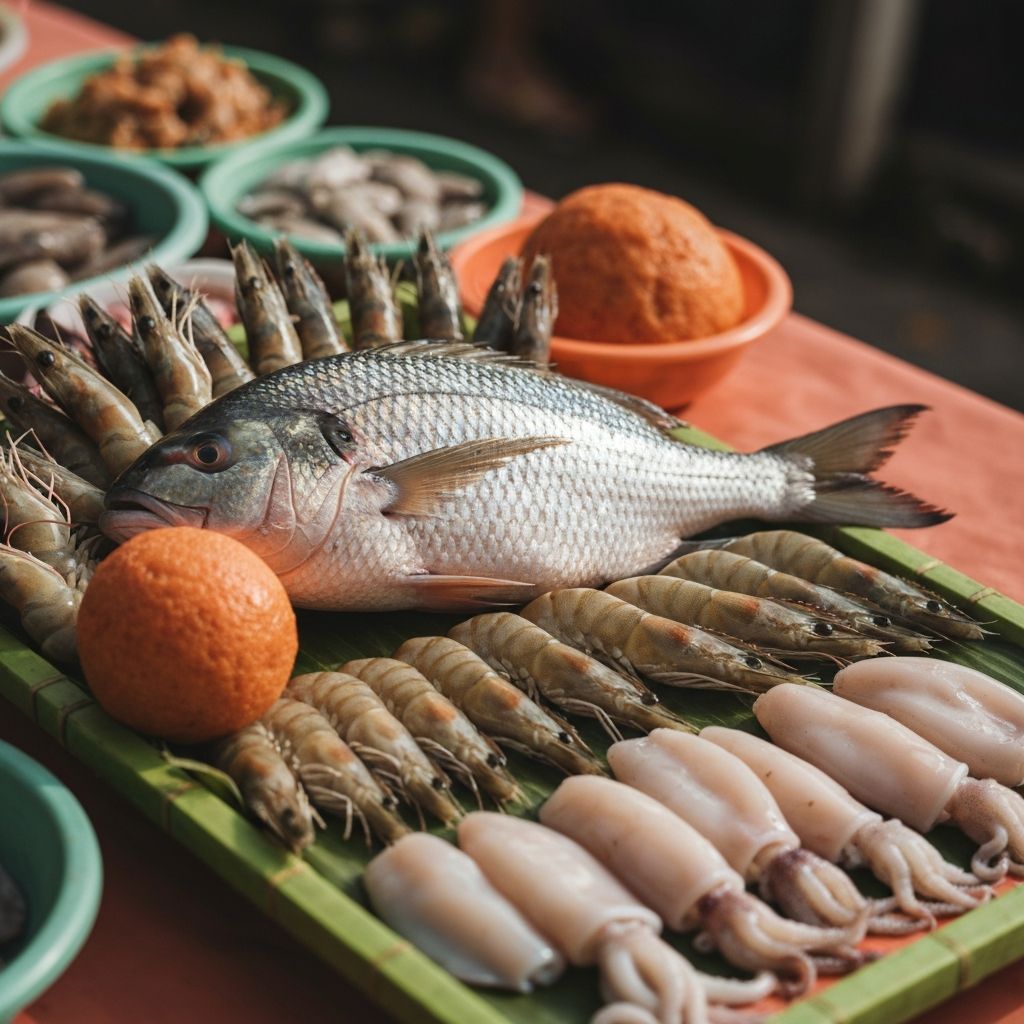
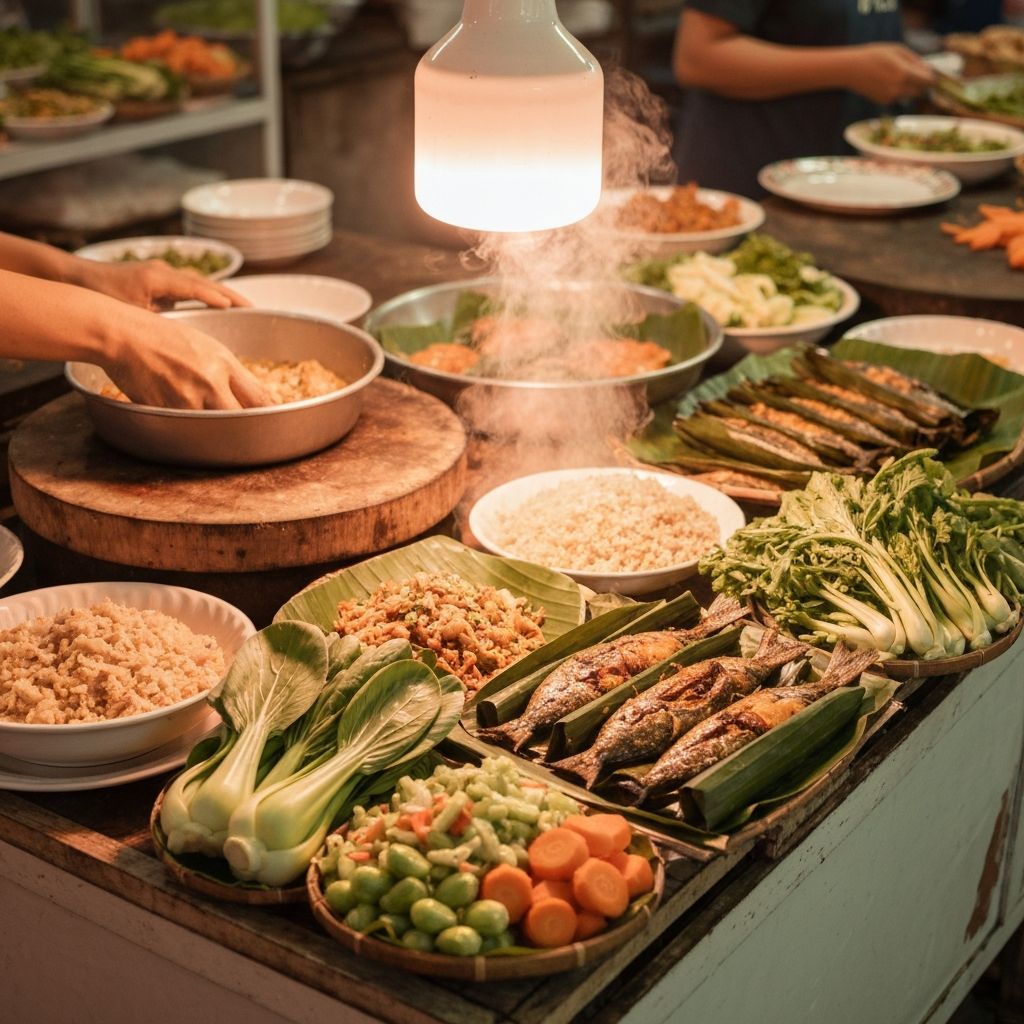
Pepes ikan wraps fresh fish with aromatic herbs and fresh vegetables in banana leaf parcels. This traditional cooking method preserves fish protein, selenium, and B vitamins. Vegetable accompaniments provide additional micronutrients. The dish demonstrates integration of seafood with fresh produce in daily Indonesian meals.
Frequently Asked Questions
Amino acids serve as fundamental building blocks in protein synthesis. Glycine, proline, and hydroxyproline specifically support the body's synthesis of structural proteins. These amino acids are naturally obtained from dietary protein sources including meat, fish, legumes, nuts, and dairy products. The body utilizes these amino acids in normal metabolic processes that maintain tissue integrity throughout life.
The recommended daily intake of vitamin C is 75 mg for adult women and 90 mg for adult men according to standard dietary guidelines. A single guava fruit easily exceeds this amount, making tropical fruits efficient vitamin C sources. Regular consumption of varied vitamin C-rich fruits and vegetables supports baseline nutritional status. Actual requirements may vary based on individual factors and should be discussed with healthcare providers.
Zinc and copper function as essential mineral cofactors in numerous enzymatic processes throughout the body. These minerals support immune function, energy production, and structural protein synthesis. Natural dietary sources in Indonesia include shellfish, nuts, legumes, and leafy vegetables. Consistent dietary intake of these minerals supports normal physiological functioning. Individual mineral requirements vary and consultation with nutrition professionals is recommended for personalized guidance.
Vitamin A precursors, primarily beta-carotene, are plant compounds that the body converts to active vitamin A. These are abundant in orange, yellow, and dark green produce including mango, papaya, sweet potato, spinach, and kale. The body regulates this conversion based on current vitamin A status, making plant sources inherently safer than supplemental forms. Regular consumption of coloured vegetables supports adequate vitamin A intake.
Vitamin C functions as a cofactor in enzymatic reactions involved in collagen synthesis, neurotransmitter production, and immune function. The body cannot synthesize or store vitamin C, requiring daily dietary intake. It exists in many foods and is relatively preserved in fresh fruits and vegetables. Regular consumption of vitamin C-rich foods maintains physiological levels necessary for normal metabolic functioning.
Traditional Indonesian cuisine naturally incorporates nutrient-dense foods through dishes like gado-gado, sayur lodeh, pepes ikan, and fresh fruit consumption. Regional variations reflect local agriculture and seasonal availability. These traditional patterns demonstrate long-established understanding of nutritional balance through seasonal eating and ingredient diversity. Contemporary practice of these traditional foods maintains nutritional foundations established over generations.
Different cooking methods affect nutrient preservation differently. Some vitamins are heat-sensitive (vitamin C), while others benefit from cooking that enhances bioavailability (beta-carotene). Traditional Indonesian cooking methods often employ balanced approaches including light boiling, steaming, and wrapping in leaves that preserve nutrients while preparing foods. Raw and cooked consumption of varied produce maximizes nutrient variety.
Seasonal eating aligns food availability with regional growing patterns and traditional agricultural cycles. Indonesia's tropical climate supports year-round production of various crops with seasonal peaks for specific fruits and vegetables. Eating seasonally provides nutritional diversity throughout the year while supporting local agriculture and obtaining optimally ripened produce with peak nutrient density.
Minerals like zinc and copper are inorganic substances that serve as cofactors in enzymatic reactions and structural components. Vitamins are organic compounds with distinct metabolic roles. Both are essential micronutrients obtained from varied dietary sources. Minerals typically show greater stability during cooking, while vitamins vary in heat sensitivity. Balanced consumption of diverse foods ensures adequate intake of both categories.
Indonesian regional cuisines reflect local agriculture, cultural traditions, and historical trading patterns. Javanese cuisine emphasizes balanced vegetable combinations, Sumatran cuisine includes more spiced preparations, while coastal regions feature more seafood-based dishes. Despite regional variations, consistent themes include diverse vegetable consumption, regular fish intake, and seasonal fruit incorporation. These regional patterns demonstrate various approaches to achieving nutritional balance.
Additional information about Indonesian nutrition and traditional food systems can be obtained from academic sources on Southeast Asian dietary patterns, regional cookbooks documenting traditional preparations, and organizations focused on food anthropology and cultural nutrition. Historical texts on Indonesian agriculture and trade also provide context for understanding how regional foods became integrated into dietary patterns. This website provides informational overview only and does not constitute nutritional guidance.
Traditional and Modern Dietary Patterns in Indonesia
Historical Context
Indonesian dietary traditions developed through centuries of agricultural adaptation to tropical climate and geography. Traditional food patterns emphasized seasonal produce consumption, integration of local seafood, and preparation methods that preserved nutrient availability. These patterns continue influencing contemporary Indonesian cuisine.
Seasonal Produce Integration
The tropical climate enables year-round cultivation of diverse produce with distinct seasonal peaks. Traditional eating patterns followed these seasonal rhythms, ensuring variety throughout the year. Contemporary access to expanded produce ranges through improved agricultural distribution maintains but also diversifies traditional patterns.
Contemporary Practice
Modern Indonesian dietary patterns blend traditional approaches with contemporary ingredient availability. Urban populations maintain emphasis on diverse vegetable consumption, regular fish intake, and seasonal fruit inclusion while adapting to lifestyle changes. Traditional family meal preparation continues emphasizing ingredient variety and seasonal integration.
Regional Variation
Indonesia's geographic diversity created distinct regional dietary patterns reflecting local agriculture. Coastal regions emphasize seafood, mountainous regions feature more vegetable cultivation, and agricultural plains show crop-specific patterns. These regional variations, while diverse, share common principles of balanced nutrition through varied whole foods.
"Understanding the nutritional roles of everyday Indonesian foods deepens appreciation for traditional dietary wisdom while supporting informed personal food choices."
This informational resource explores how nutrients from Indonesian food sources support daily nutritional needs. Continue exploring the sections above to learn more about specific food sources and nutrient functions.
View Nutritional SourcesContact & Information Updates
Stay informed about educational content updates regarding Indonesian food sources and nutritional information. Subscribe to receive informational updates only.